

Damp Detection Lanzarote: Finding the Source Before It Gets Worse
Damp in a Lanzarote property is one of those problems that homeowners tend to put off addressing. A patch appears on a wall, someone paints over it, and then the patch comes back, usually larger and darker than before. By the time the underlying cause is identified, the moisture has often been working its way through walls, floors, or ceilings for months, causing structural damage that far exceeds the original problem.
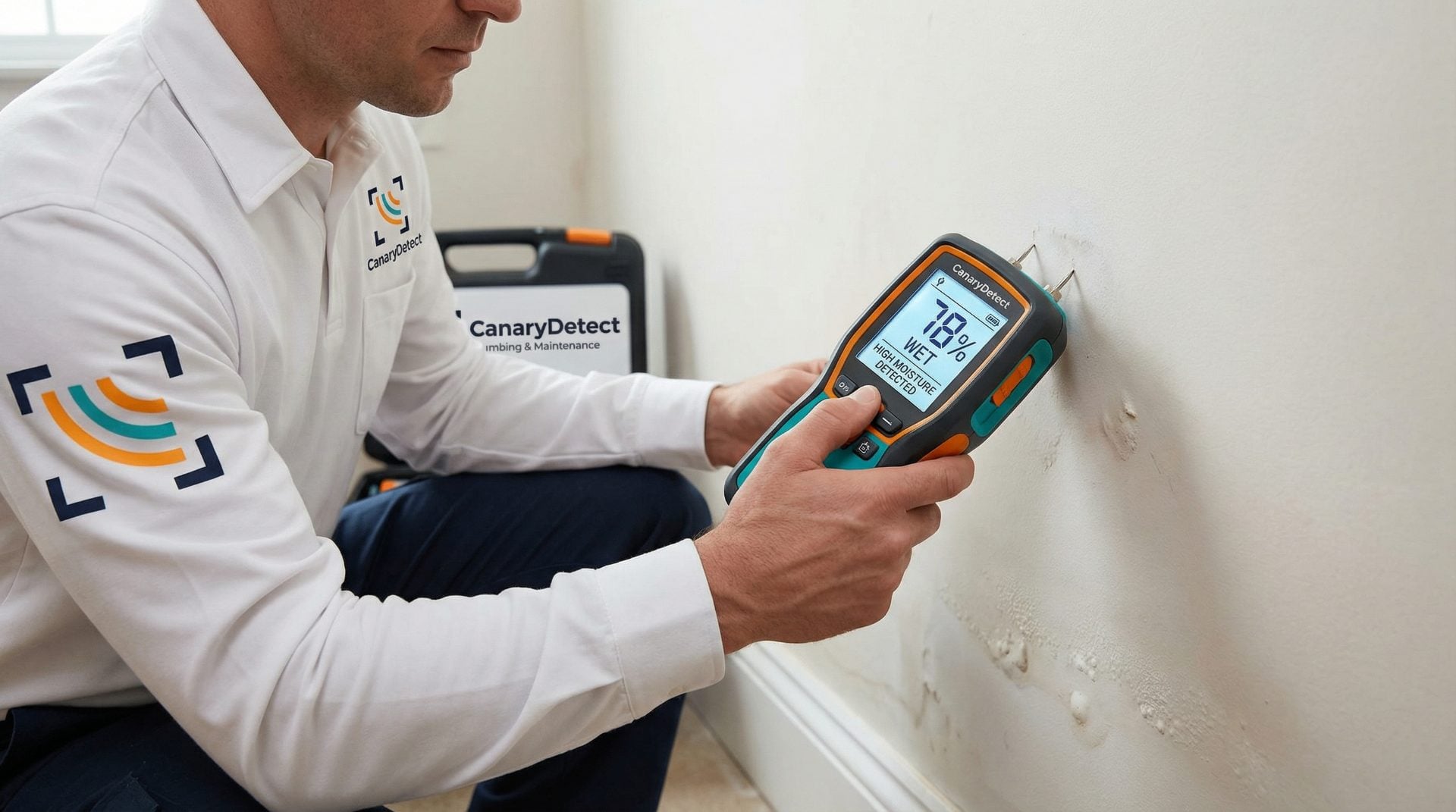
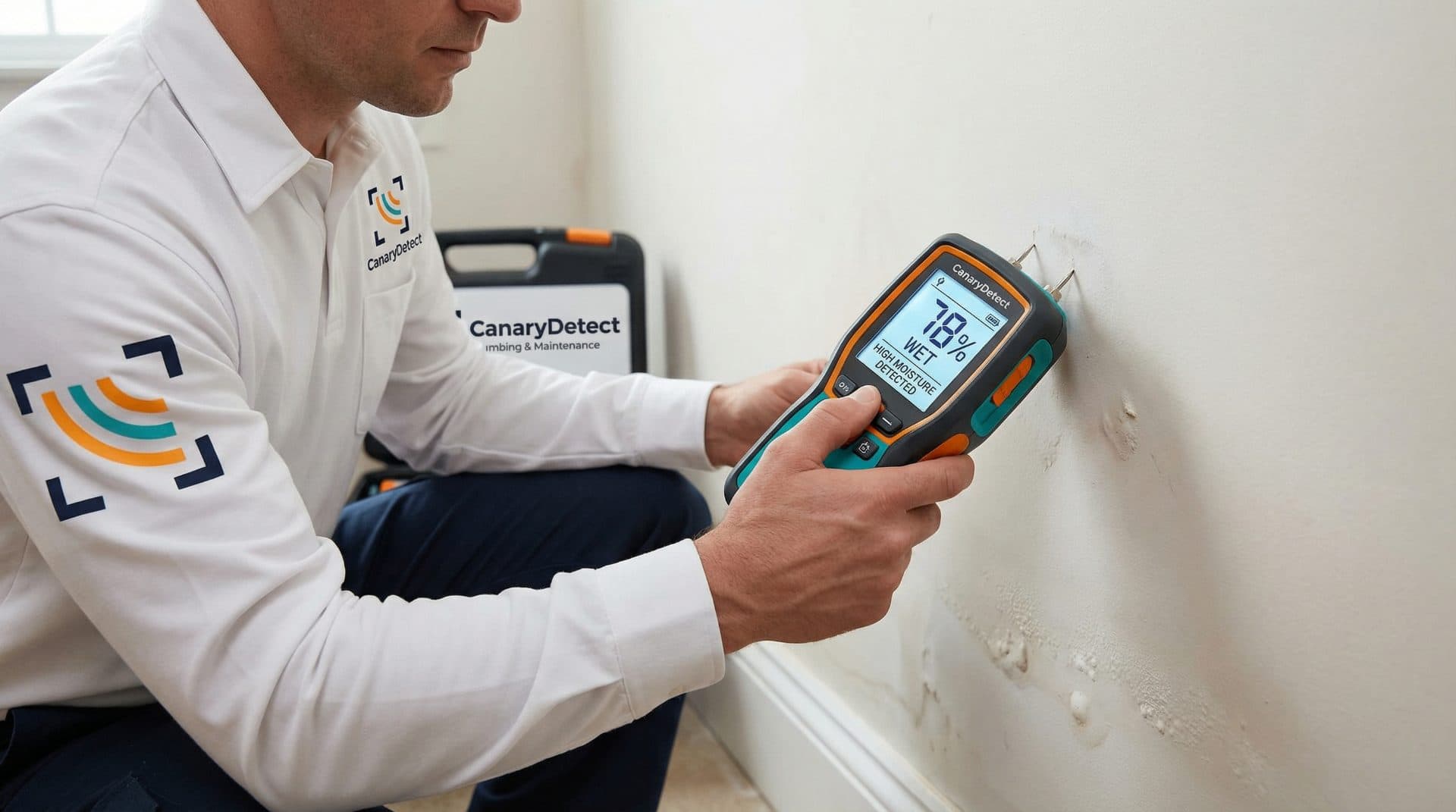
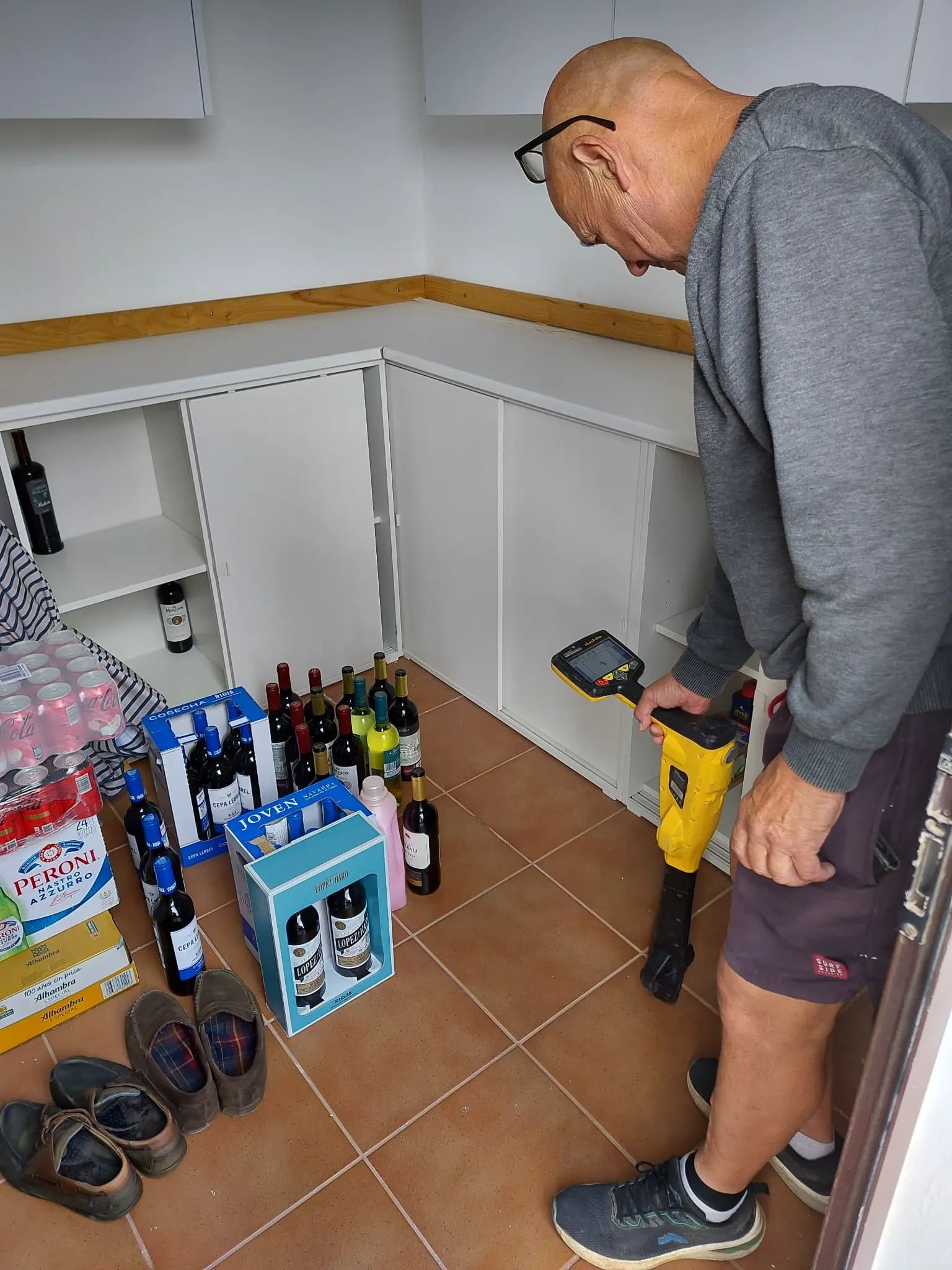
Our damp detection and moisture mapping service uses thermal imaging cameras and professional Protimeter moisture meters to locate the exact source of the damp, measure how far it has spread, and distinguish between the different types of moisture problem that are common in Lanzarote properties. We can assess any property, from coastal apartments with condensation and rising damp to inland villas with roof waterproofing failures and penetrating damp.
Understanding Damp
Learn about damp walls: causes and solutions to understand what you're dealing with.
Why Damp Problems Are Common in Lanzarote Properties
Lanzarote's climate is generally dry and sunny, but this does not make its properties immune to damp. Several factors specific to the island make moisture problems very common across all property types.
Flat Roof Construction
The great majority of Lanzarote's properties are built with flat roofs. Traditional pitched roofs shed rain naturally but flat roofs concentrate and hold water. When flat roof waterproofing fails, which it does gradually over years, water works its way into the roof structure and eventually appears inside the property as damp patches on ceilings and upper walls. The source and the visible symptom are frequently in different parts of the building.
Coastal Salt Air
Properties within a few hundred metres of the coast are subject to constant exposure to fine salt particles carried on the Atlantic wind. Salt accelerates the deterioration of exterior renders, sealants around windows and doors, and the waterproof membranes on flat roofs. Once the outer waterproofing layer is compromised, penetrating damp can develop quickly, particularly during the winter months.
Seasonal Occupancy and Poor Ventilation
Many Lanzarote properties are holiday homes or investment properties that sit empty for extended periods. Properties with poor ventilation that are closed up for weeks or months develop condensation damp inside, particularly in bathrooms, kitchens, and any room with inadequate airflow. The combination of warm air, cool walls, and zero ventilation creates ideal conditions for mould and surface damp.
Older Construction Methods
Properties built in Lanzarote during the 1970s, 1980s, and 1990s used construction methods and materials that have limited moisture resistance over the long term. Older renders crack, original window seals deteriorate, and damp-proof courses were not always installed to current standards.
The Three Types of Damp We Identify
Rising Damp
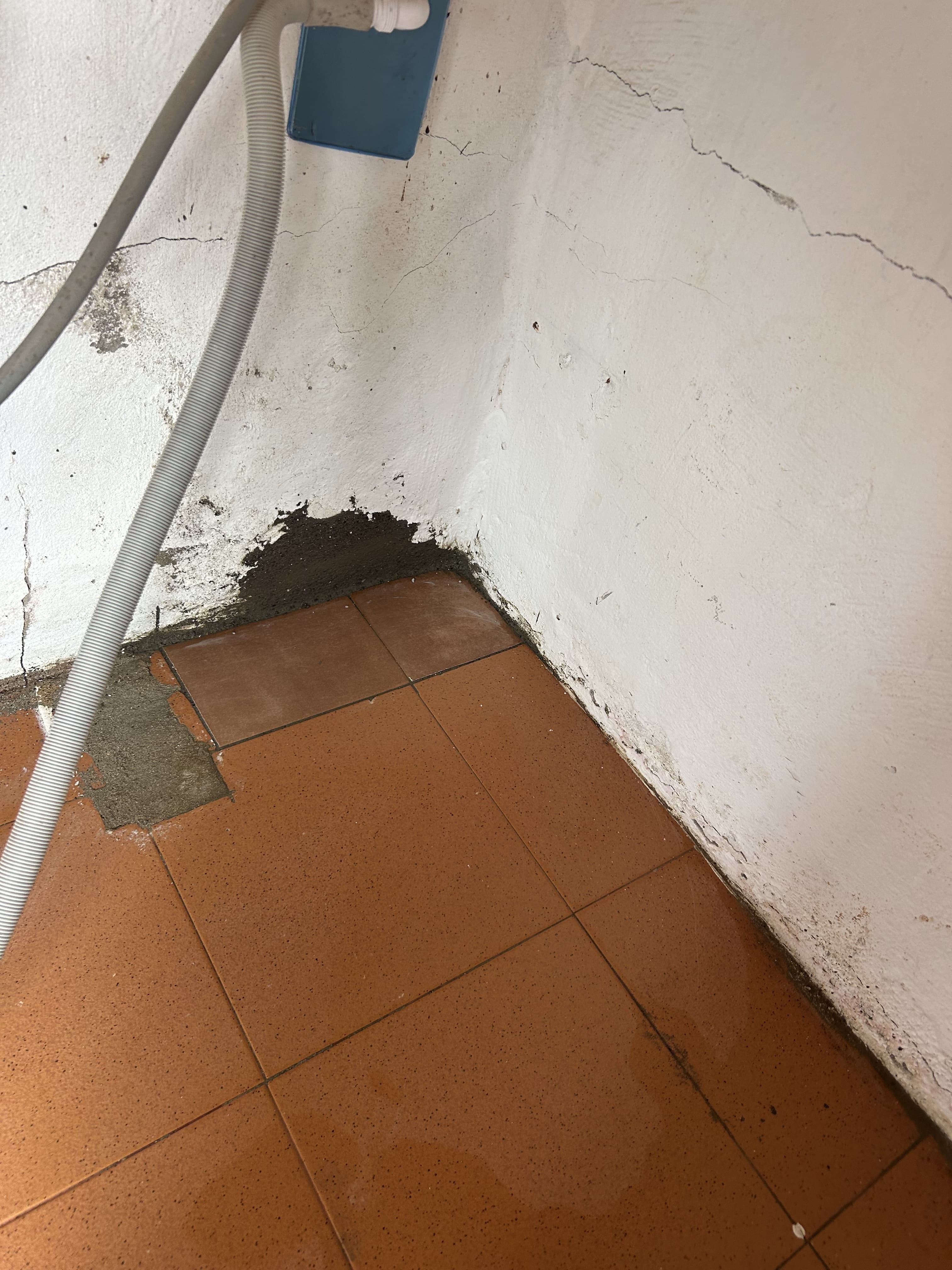
Rising damp occurs when moisture from the ground migrates upward through walls via capillary action. It is most common in older properties built without an adequate damp-proof course and in properties where the external ground level has been raised above the damp-proof course during paving or landscaping work. Rising damp is characterised by a tide mark on the lower section of walls, usually between 300mm and 1,200mm from floor level, with visible salt deposits and deteriorating plasterwork.
Penetrating Damp
Penetrating damp enters a property from outside through cracks in render, failed sealants around windows, waterproofing failures on flat roofs, or damaged tile and grouting on exposed terraces. Unlike rising damp, penetrating damp can appear at any height in a building, and its location inside the property is often well away from the actual entry point because water tracks along structural elements before emerging at the surface.
Thermal imaging for leak detection is most valuable for this type of problem. A thermal camera identifies the cool, wet area inside the wall where water is present, and our technician traces the moisture path back toward its entry point without opening walls unnecessarily.
Condensation Damp
Condensation forms when warm, humid air meets a surface cooler than the dew point temperature of the air. In Lanzarote, this happens most frequently in properties that are poorly ventilated, particularly during the cooler months. Condensation appears first on windows, then on exterior-facing walls, and eventually on ceilings if the problem is severe.
Our environmental monitoring equipment measures air humidity, temperature, and dew point at multiple points to build a picture of whether conditions are conducive to condensation. This distinguishes definitively between condensation damp and a penetrating or rising water source.
When to Book a Damp Survey
A professional damp detection survey is particularly valuable in several specific situations.
Before decorating or refurbishing a room with existing damp patches, a survey identifies the source and extent of the moisture. Painting or plastering over unresolved damp always fails. The damp returns through new plasterwork and decoration, sometimes within months.
Before purchasing a property in Lanzarote, a damp survey gives you an accurate picture of any moisture problems and their severity, valuable in negotiating the purchase price and in planning any remedial work.
When mould is recurring on walls or ceilings despite repeated cleaning and painting, a damp survey establishes whether the cause is condensation, penetrating damp, or a hidden water pipe leak.
What the Survey Includes
Our damp detection survey produces a full written report for every property. The report maps affected areas with thermal photographs showing the moisture distribution, records moisture meter readings at multiple points with the severity classification for each, documents environmental readings and their significance, identifies the probable cause of each damp area found, and provides recommendations for remedial work in priority order.
This report is suitable for insurance claims, pre-purchase negotiations, and briefing contractors on exactly where and how to carry out repairs.