It Was Good Friday. The Beach Was Five Minutes Away.
Let me set the scene. It is Good Friday. The sun is cracking the flags. The beach is a five-minute walk away. I can practically smell the sunscreen. Dave and I have a well-earned long weekend ahead of us. The entire team is off. For once in our lives, we are not working.
Then the phone rings.
Water. Coming through the ceiling. Into the basement bedroom. Guests checking out today. New guests arriving tomorrow.
Of course. Because leaks have an impeccable sense of timing. They never happen on a wet Tuesday in February when you have got nothing on. Always a bank holiday. Always when the beach is close enough to taunt you.
We grabbed our flat caps, looked longingly in the direction of the sea like two men watching the last lifeboat leave, and went to work. Just the two of us, the gaffers themselves, because we were not dragging the lads in on a bank holiday. We have standards. Questionable ones, clearly, given that we were now crawling around someone else's bathroom on Good Friday instead of doing literally anything else, but standards nonetheless.

Finding the Faulty Pipe
The first job was simple: work out which pipe was leaking. We isolated each line individually, pressurised them one at a time, and watched the gauges. The 15mm cold water supply to the bathroom basin and bathtub/shower dropped pressure almost immediately. Found it. That bit was fast and easy.
Everything after that? Not so fast.
A Pig of a Job. It Delivered on Every Level.
This is what we in the trade call "a pig of a job," and this one had clearly been to finishing school because it delivered on every single level.

This is also a good moment to explain the kit we use, because most people have no idea what actually goes into finding a leak properly. Spoiler: it is not just a bloke with a stick and a hopeful expression.
Tracer Gas Detection
The tracer gas kit is the go-to system for most leak detection companies in Lanzarote and beyond. We pressurise the pipe with a safe, inert gas mixture of nitrogen and hydrogen. The gas escapes through the fault, rises to the surface, and our highly sensitive sensors detect it at ground level. Simple in theory. Brilliant when it works.
The problem is that a lot of companies treat this as their only tool, which is like being a chef who only owns a microwave. You will get by. You might even impress a few people. But sooner or later, someone is going to order a steak, and you are going to have some very disappointed customers.
Tracer gas always travels through the path of least resistance. If the leak is under concrete but there is softer ground nearby, the highest reading will appear in the softer area, not directly above the leak. You will be digging in the wrong place. Every time.
Now here is the thing. If you knew exactly where the pipe ran -- and we did, because we located it first -- you would spot that the gas reading is off to one side, in softer ground, rather than directly above the pipe route. You would know you are being misled. Without that knowledge, you take the strongest reading at face value, grab a jackhammer, and start digging in exactly the wrong place. That is the difference between locating the pipe route first and skipping straight to leak detection. Most companies skip it.
The bigger issue here in Lanzarote is something called a macron, or a duct. Each pipe sits inside a grey outer pipe. If you use tracer gas on a ducted pipe, the gas escapes the inner pipe, travels the full length of the macron, and gets detected at both ends. You have no idea where the actual leak is. You just know it exists, which you already knew, because someone rang you about water coming through their ceiling.
We have been called out to so many jobs where the previous contractor has done exactly this, pointed confidently at the wrong spot, and left someone with a freshly demolished floor and a leak that is still very much leaking. Confidence without accuracy is just expensive vandalism.
So tracer gas: yes, we use it. No, we do not rely on it alone.
Pipe Location -- The Step Everyone Else Skips
This is the step that most leak detection companies skip entirely, and it is the step that makes the biggest difference. Knowing which pipe is leaking is one thing. Knowing exactly where that pipe runs through the building is something else entirely.
We invest in the equipment and the time to actually locate the pipe route before we do anything else. This is where Pete's background becomes relevant. Pete is recognised as one of the UK's top experts in underground utility location and mapping, with over 30 years of experience in the field. He owns the largest dedicated training academy for cable and pipe location in Europe at Sygma Solutions. This is not mentioned to show off. It is the reason Canary Detect works the way it does. Other people find leaks. We find pipes first, then find leaks. It is a subtle difference that saves people thousands.
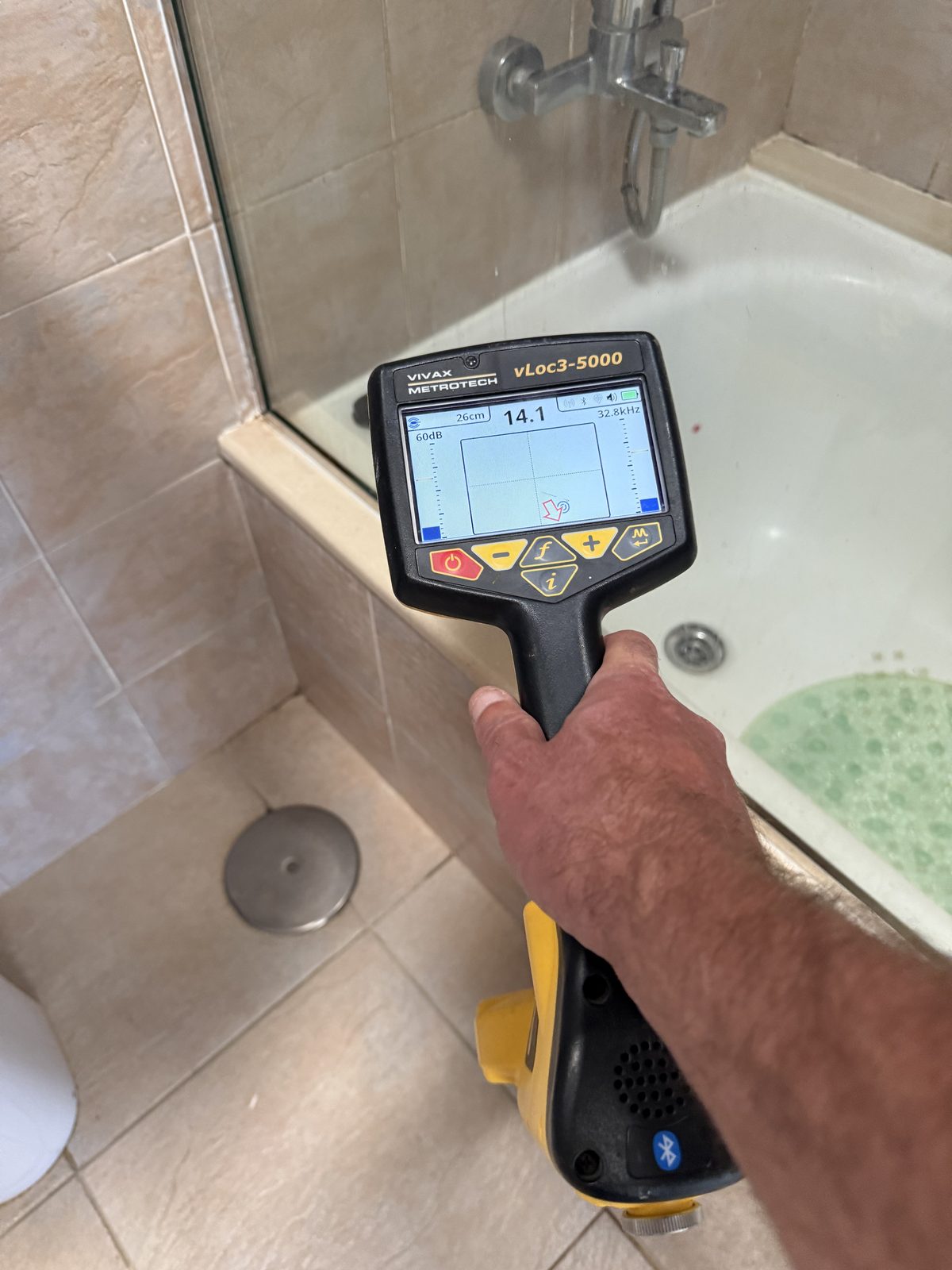
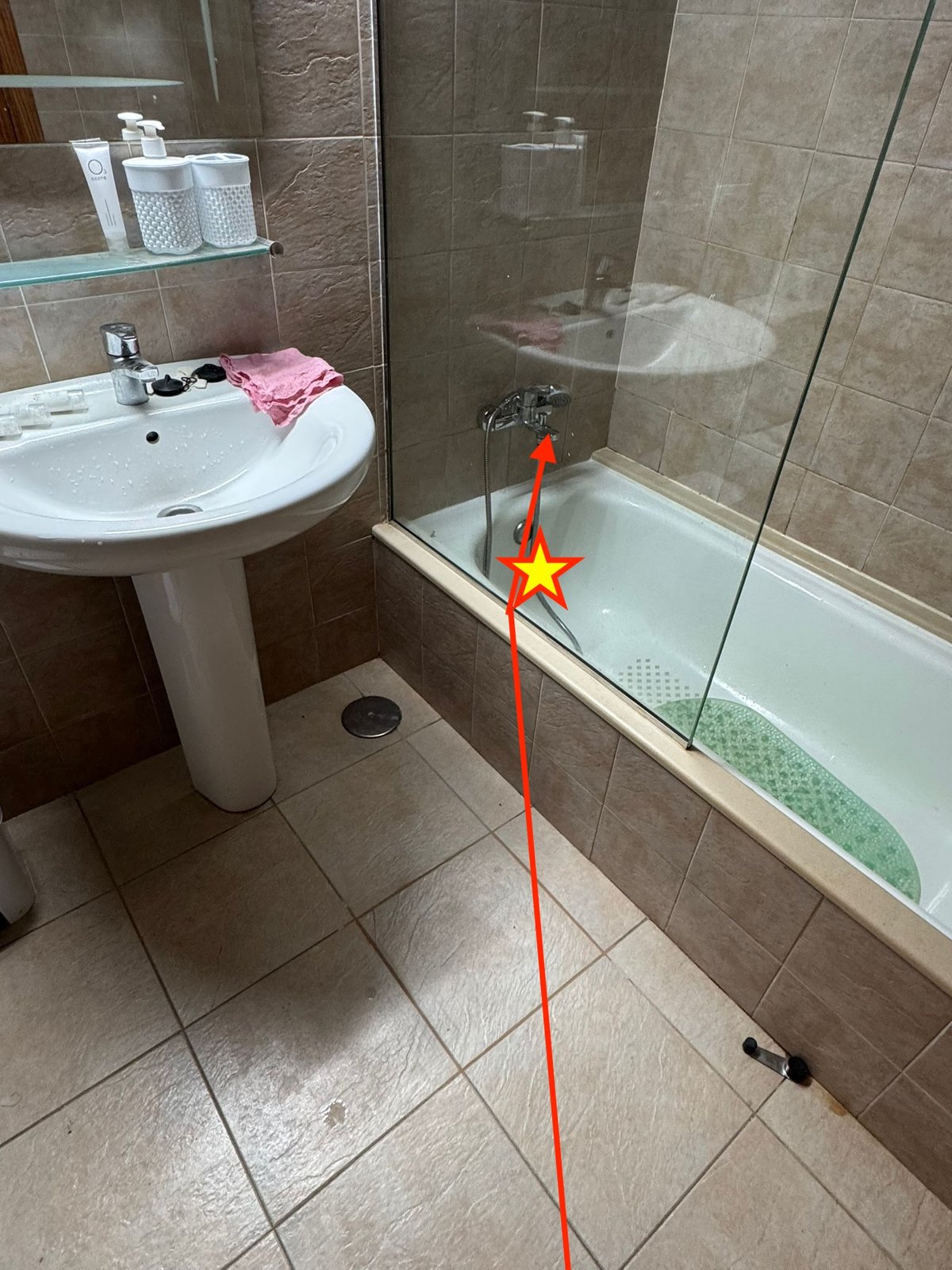
Out came the bag of toys. The route of the 15mm pipe was accurately mapped. Most people would assume a pipe like this runs through the walls or in a straight line. This one ran diagonally across the bathroom floor, because apparently the original plumber was navigating by the stars. Without that step, we, and anyone else, would have been guessing. And guessing in leak detection costs people a lot of money and a lot of tiles.
The Geophone
A geophone is an acoustic listening device. It picks up the sound of water escaping from a pressurised pipe, which creates a distinctive noise as it forces its way through the fault. You place it at various points along the pipe route, listen carefully, and find the loudest point. That is your leak.
Except it is not always that straightforward. Small leaks in plastic pipes are almost silent. Metallic pipes amplify the noise brilliantly, but plastic ones? You are basically trying to hear a mouse sneeze through a wall. The macron can also mask the noise entirely, or worse, throw it to a completely different location, sending you off chasing a ghost while the actual leak sits there quietly ruining someone's holiday.
Where most companies go wrong: You need to be listening exactly along the pipe route. Not roughly. Not approximately. Exactly. If you do not know where the pipe actually runs, you are just wandering around with headphones on hoping for the best. Which, come to think of it, also describes most teenagers.
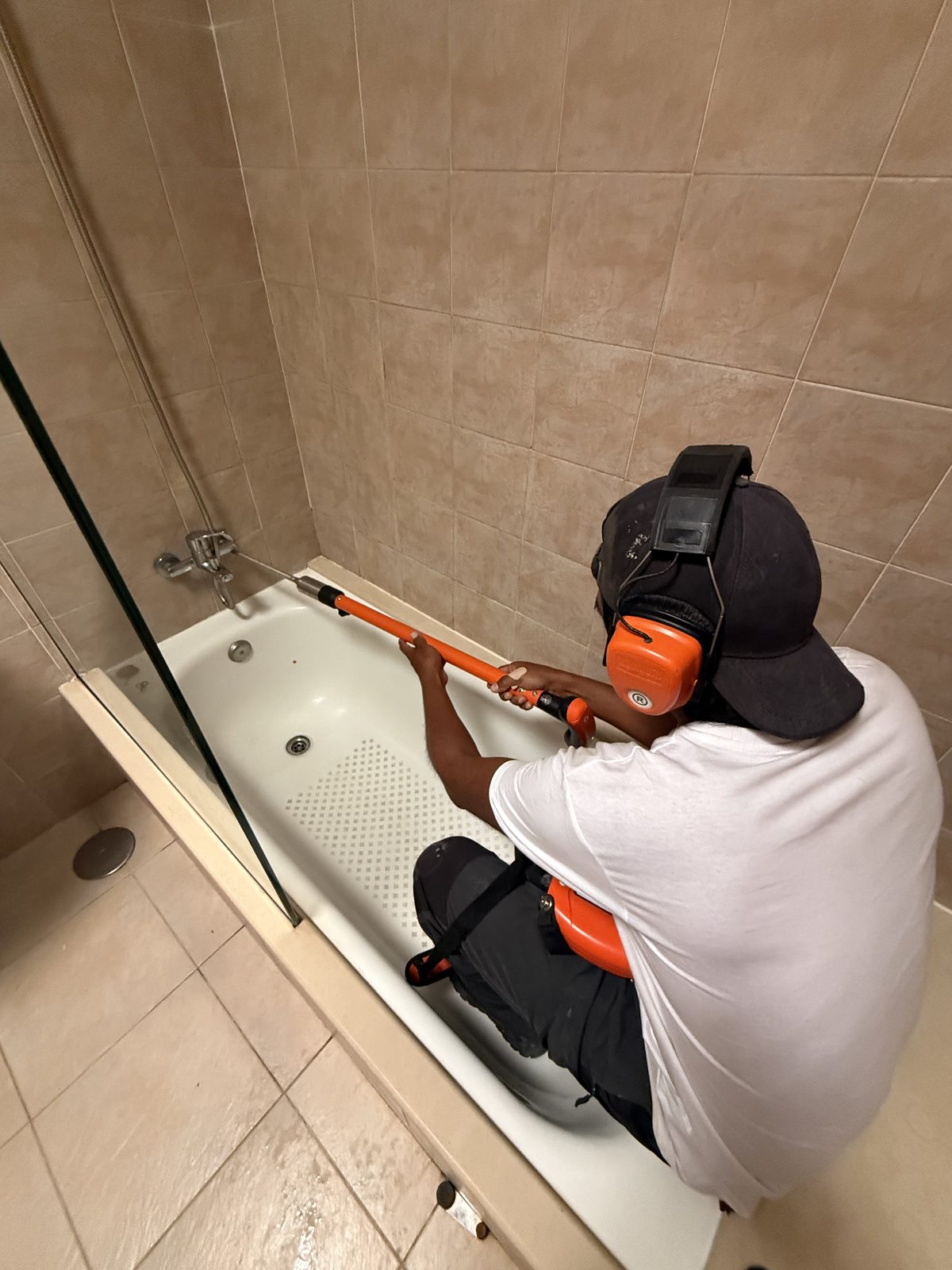
But here is the thing. Mapping the pipe route did not just tell us where to listen. It told us where we could not listen. The section of pipe that runs under the bath to the shower tap is completely inaccessible acoustically. You cannot get a geophone under a bath. And that section, where the pipe bends sharply up from the floor to the wall and tap, was looking like the most likely culprit. Naturally.
Does the Bath Have to Come Out?
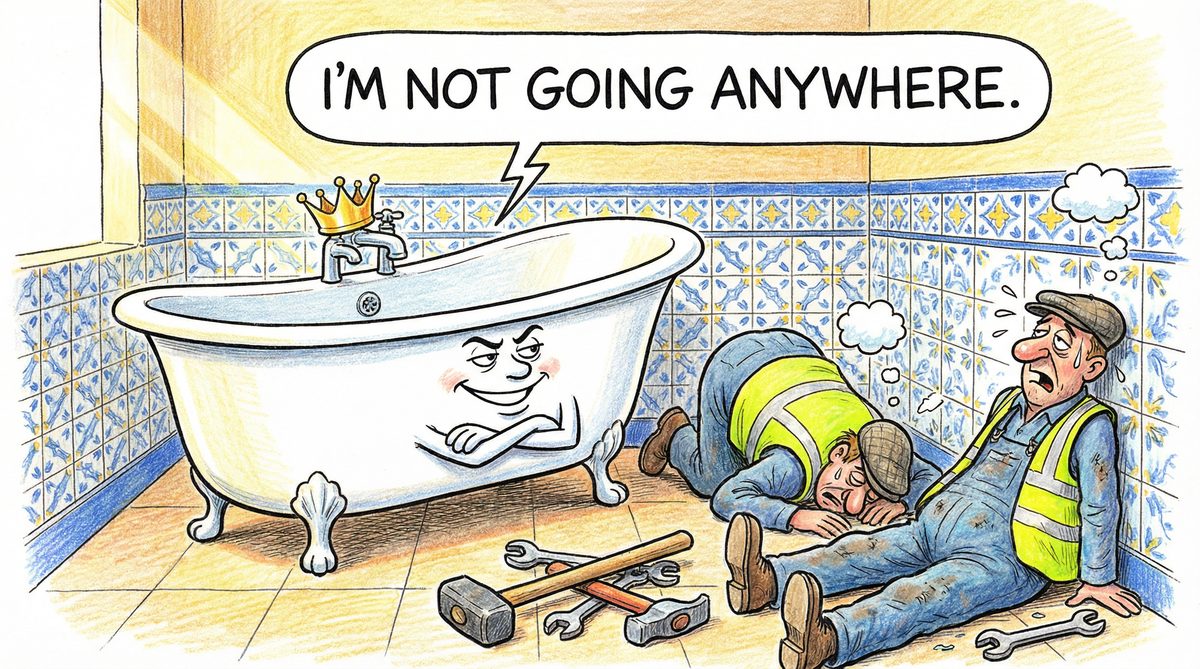
This is the question nobody wants to hear. We listened to every accessible point along the pipe route. Nothing. No noise. The leak was almost certainly under the bath.
We had coffee. We had some words that are not suitable for a family-friendly blog post. We had more coffee. We carried on.
Most companies will tell you they have pipe cameras. We have an arsenal of them, around eight different systems at last count. The issue with most pipe cameras is that they cannot physically fit inside a 15mm pipe. The lens and light assembly typically requires a minimum of 20mm. For context, 15mm is roughly the width of your little finger. Most cameras look at a 15mm pipe the way you look at a pair of jeans from ten years ago. Not happening.
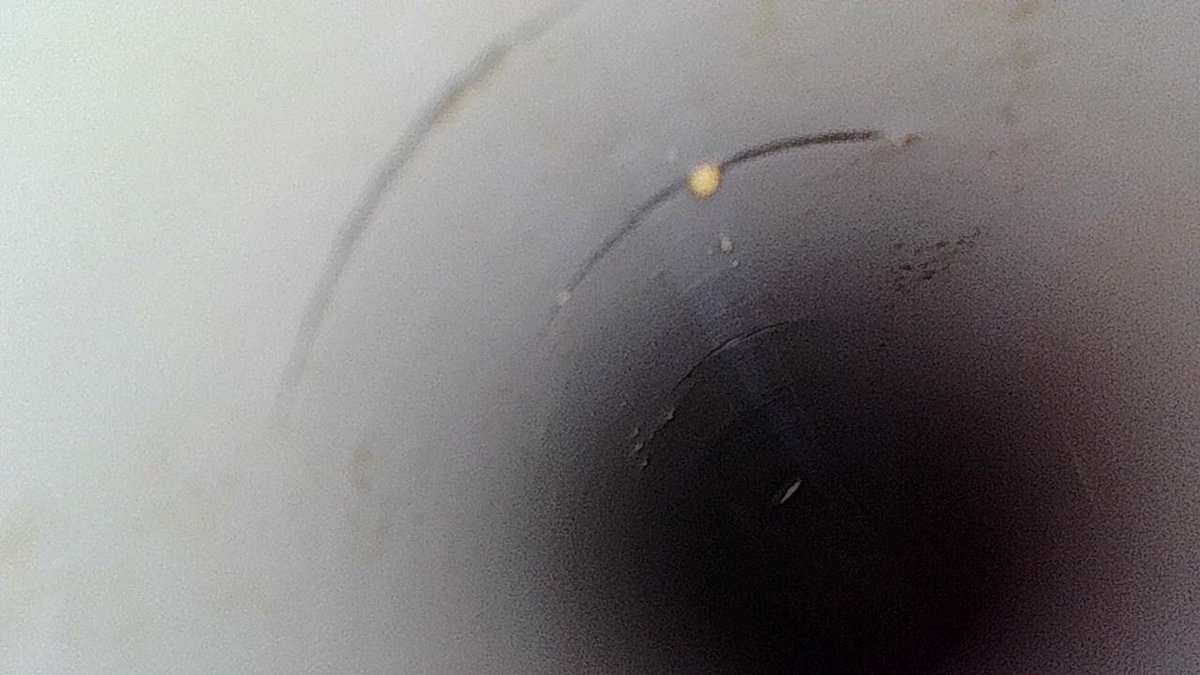
We have what we are fairly confident is the only camera on the Canary Islands capable of surveying a 15mm pipe. We deployed it. Bingo. Crack in the pipe. A bit of debris trying to squeeze through for good measure, like a tourist at an all-you-can-eat buffet. And yes, exactly where we suspected: under the bath, in the corner. Brilliant.
The Cunning Plan
Here is where it gets clever, and where the macron that had been making our lives difficult all day finally decided to earn its keep.
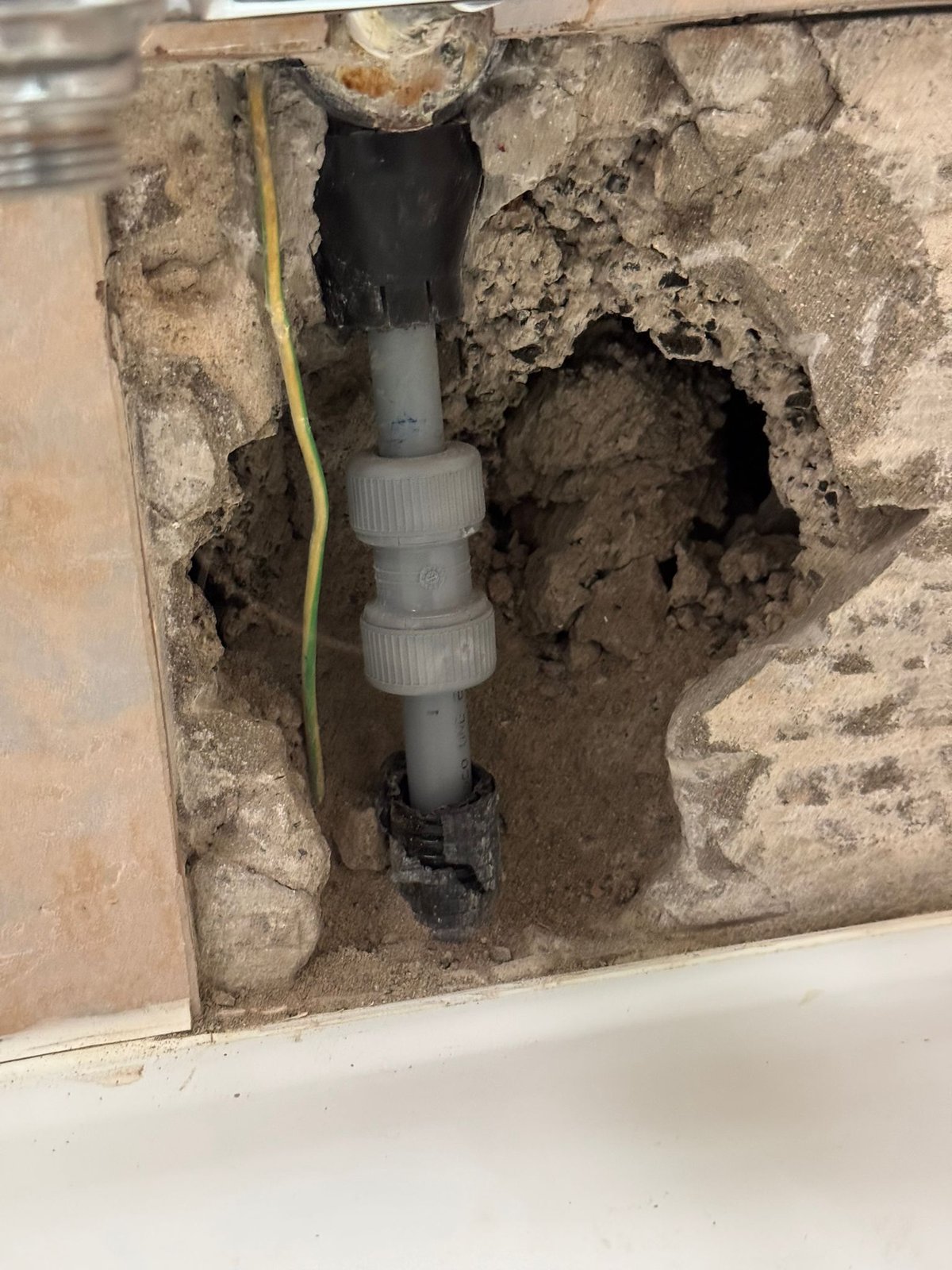
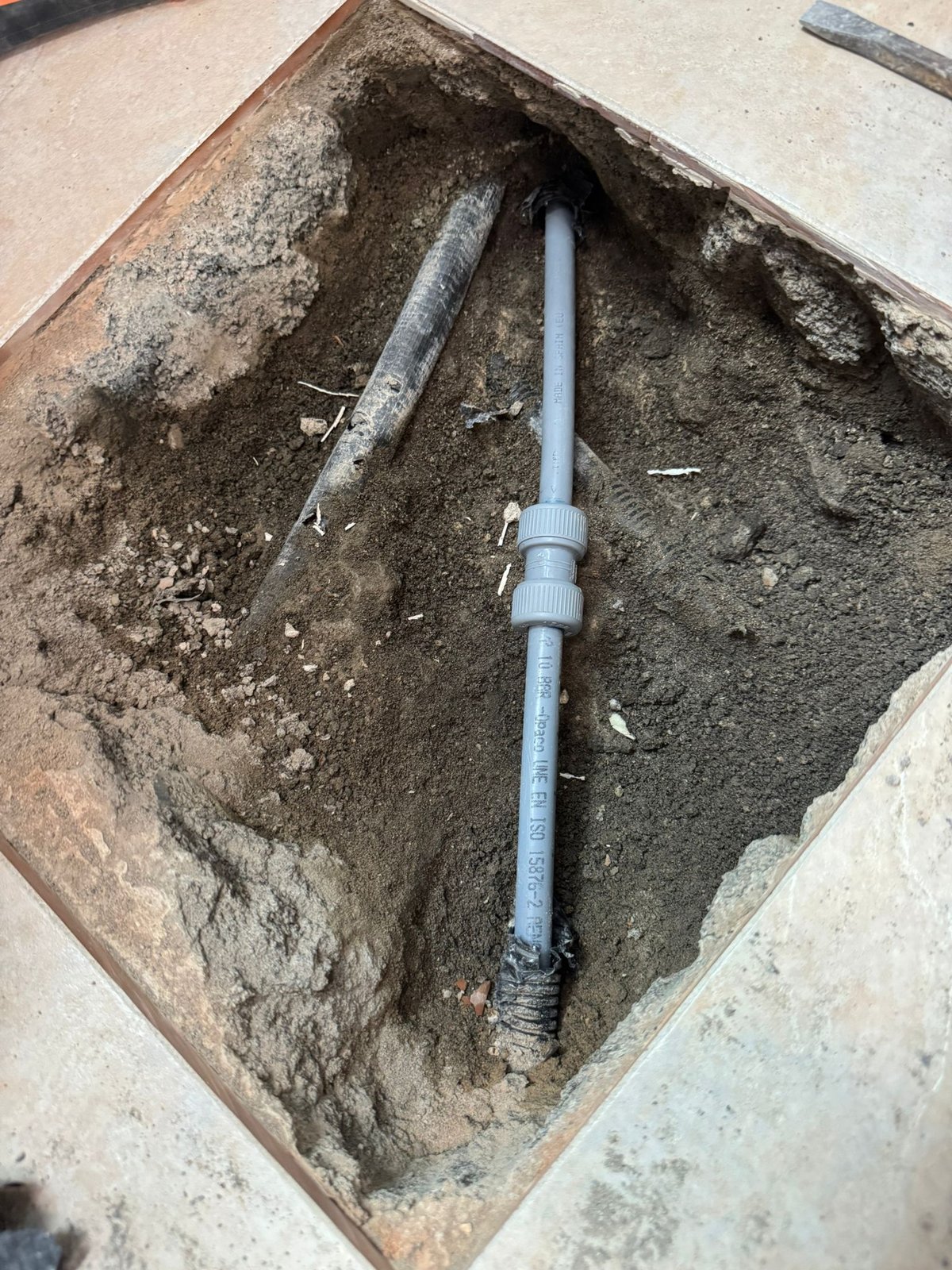
Because we had accurately located the pipe route and its depth, we knew exactly where the pipe entered the underside of the bath. The plan: one small hole at the tap, one small hole in the floor next to the bath, cut the pipe at both ends, pull out the damaged section through the macron, and feed a brand new section back through. Bath stays in. No demolition. No drama. Well, minimal drama.
Before we committed to that, we needed to confirm one thing. This pipe fed both the sink and the shower, which meant there was a T-connection somewhere. If that T was on the section we were about to pull out, the whole plan fell apart and we would be starting again from scratch on what was rapidly becoming Good Friday in name only. Back in went the tiny camera. No T on that section.
The plan was on. Two small holes. Cut knuckles. A vocabulary that would make a sailor blush and a vicar faint. And we did it.
Not Two Blokes With Fancy Gadgets
This is the part where I want to make something very clear, because it matters.
Canary Detect is not two blokes with some expensive gadgets and a can-do attitude. We have a team of ten, experienced and qualified across every discipline involved in this kind of work. It is not just about someone coming to put an X on your floor and wishing you the best of luck. You need a company that can handle the entire process, from find to fix to "like we were never here."
Remember earlier when I said we were not dragging the lads in on a bank holiday? We have standards? Well. A phone call and a generous bonus promise later, three of our best joined us on their day off. Turns out our standards are negotiable when there is a cracked pipe under a bath and guests arriving in the morning. We owe them. Our fully qualified plumber fixed, tested, and documented everything to insurance compliance standard.
Always ask: Some leak detection companies do not employ qualified plumbers. Always ask. Get it in writing. If they change the subject, that is your answer.
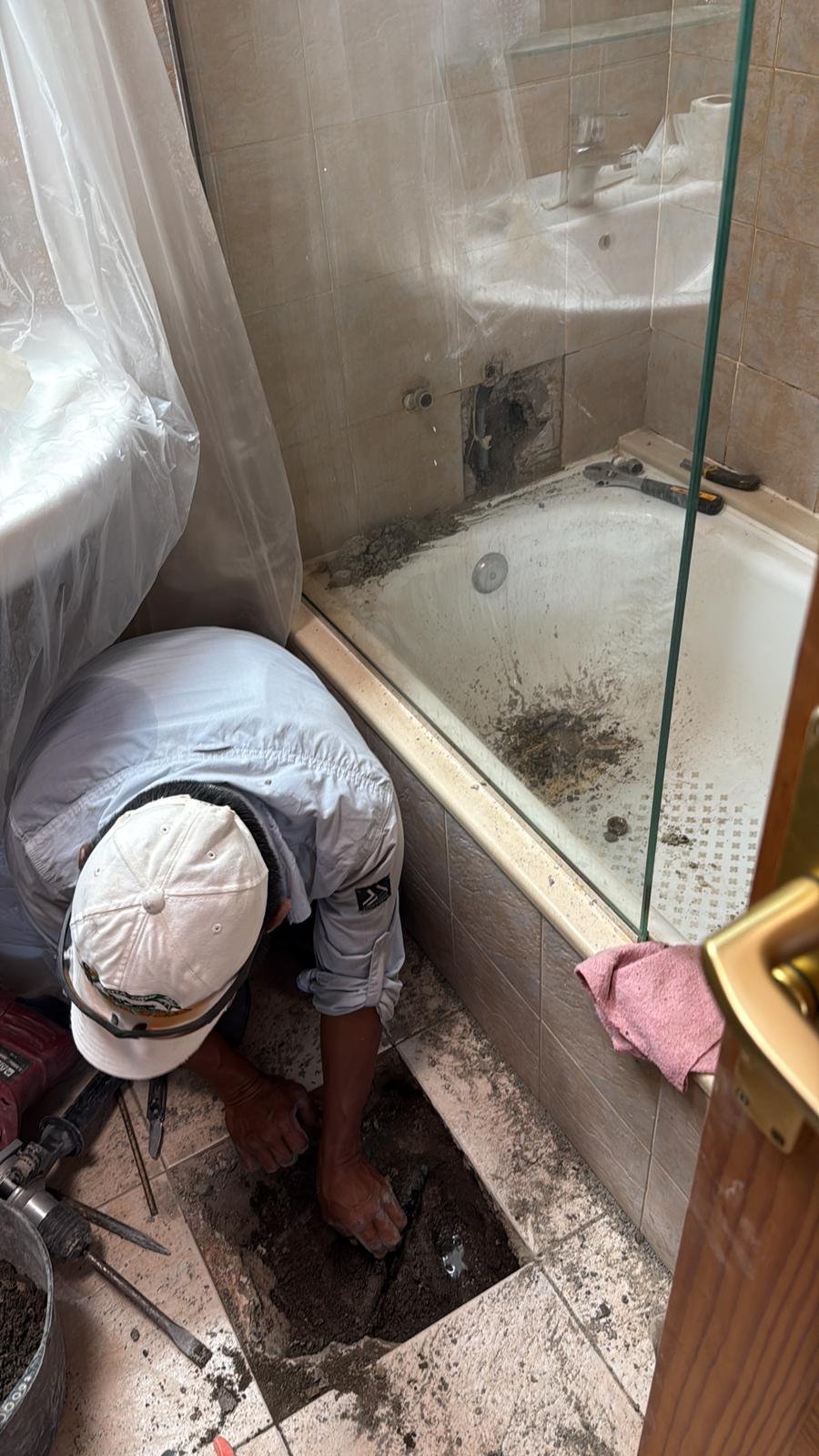
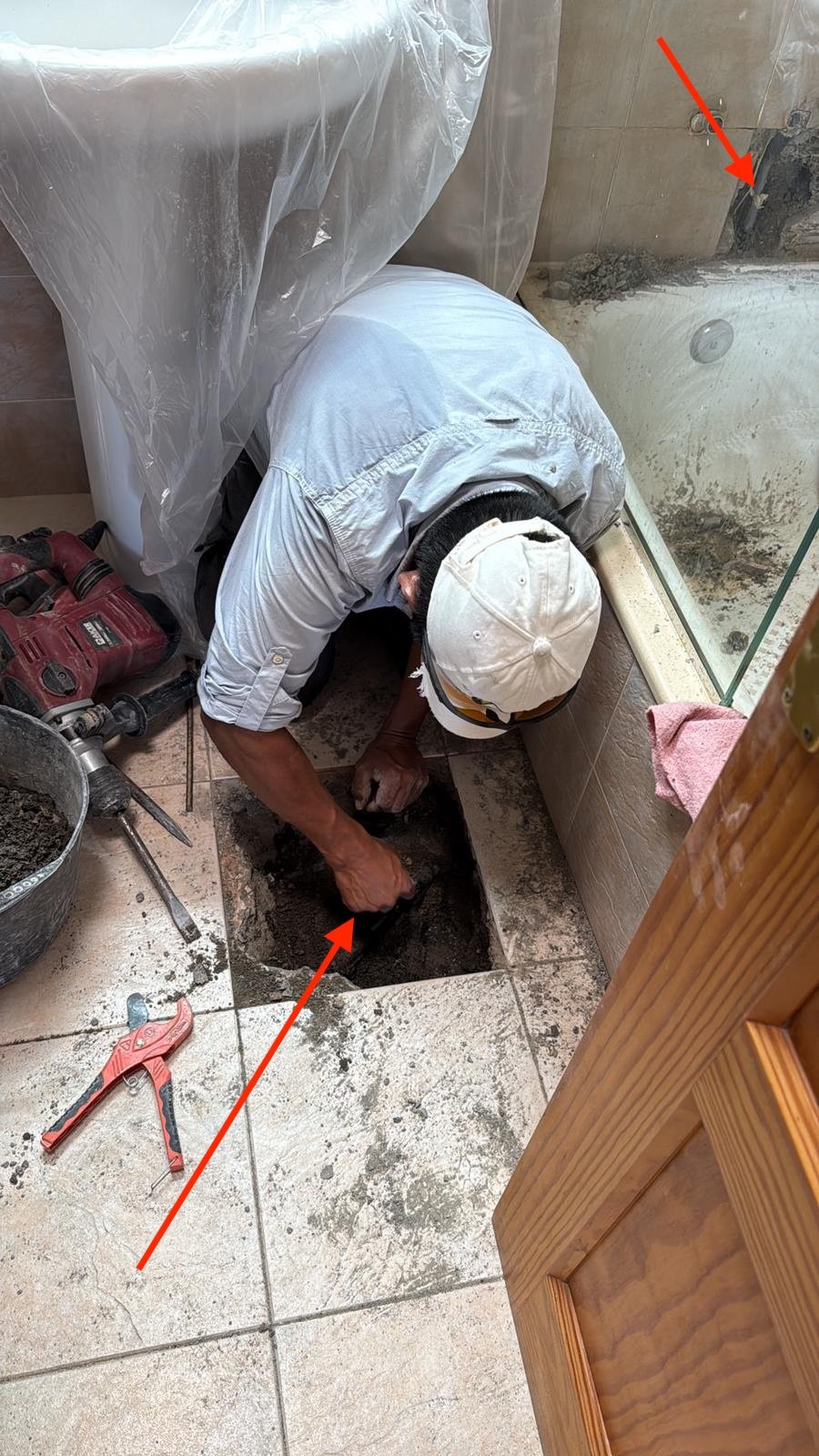
Pipework tested. Report documented. Time to hand over to our expert craftsman Arturo and his son to put everything back together. Those two could tile the inside of a bowling ball.
10 PM. Outstanding.

At 10 PM on Good Friday, while the rest of Lanzarote was tucking into their second glass of wine, I personally inspected the finished work. Outstanding. One tile has a hairline crack, which sounds bad until you understand the alternative. When you cannot source a matching tile, you have two choices: the same tile with a tiny crack that you genuinely have to look for, or a replacement tile that sticks out like a sore thumb and screams "something happened here" to every guest who walks in. We chose the crack. You would too.
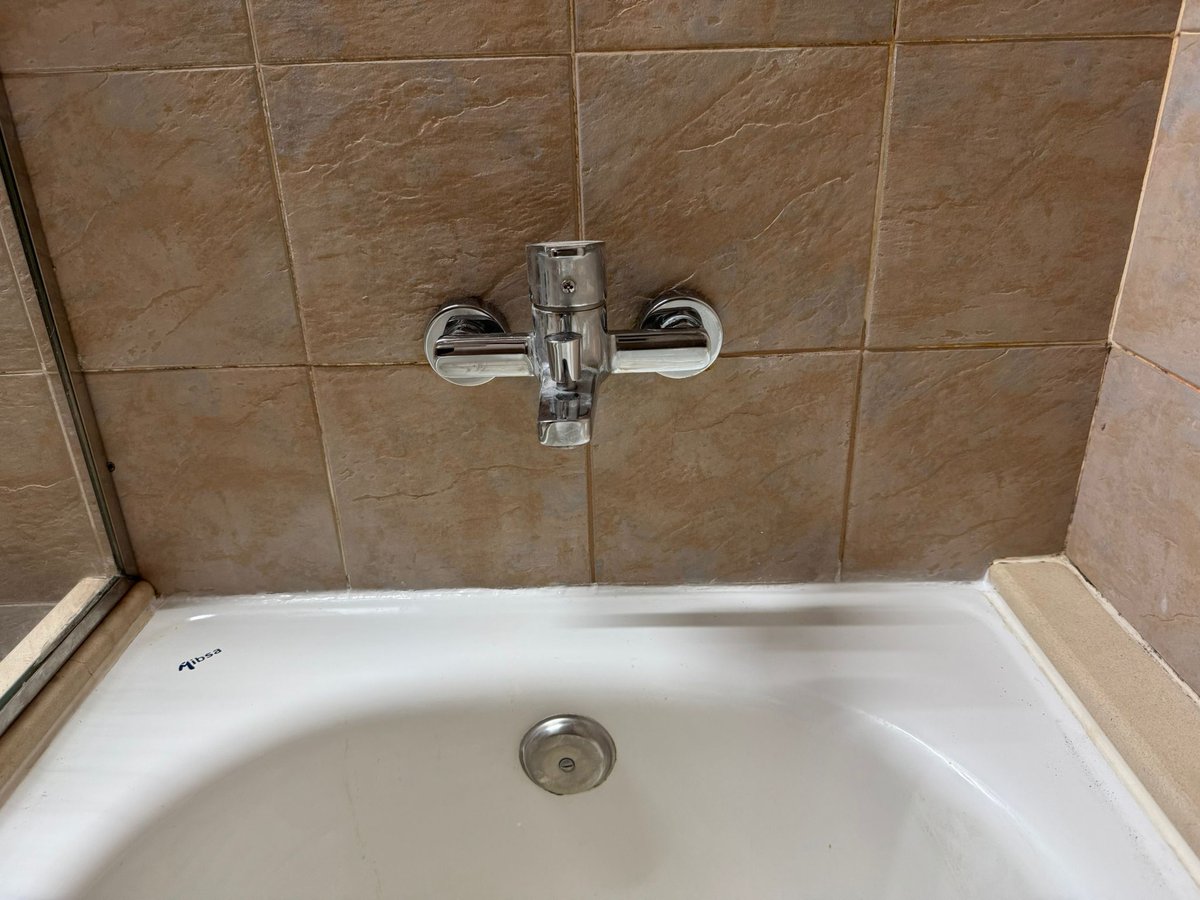
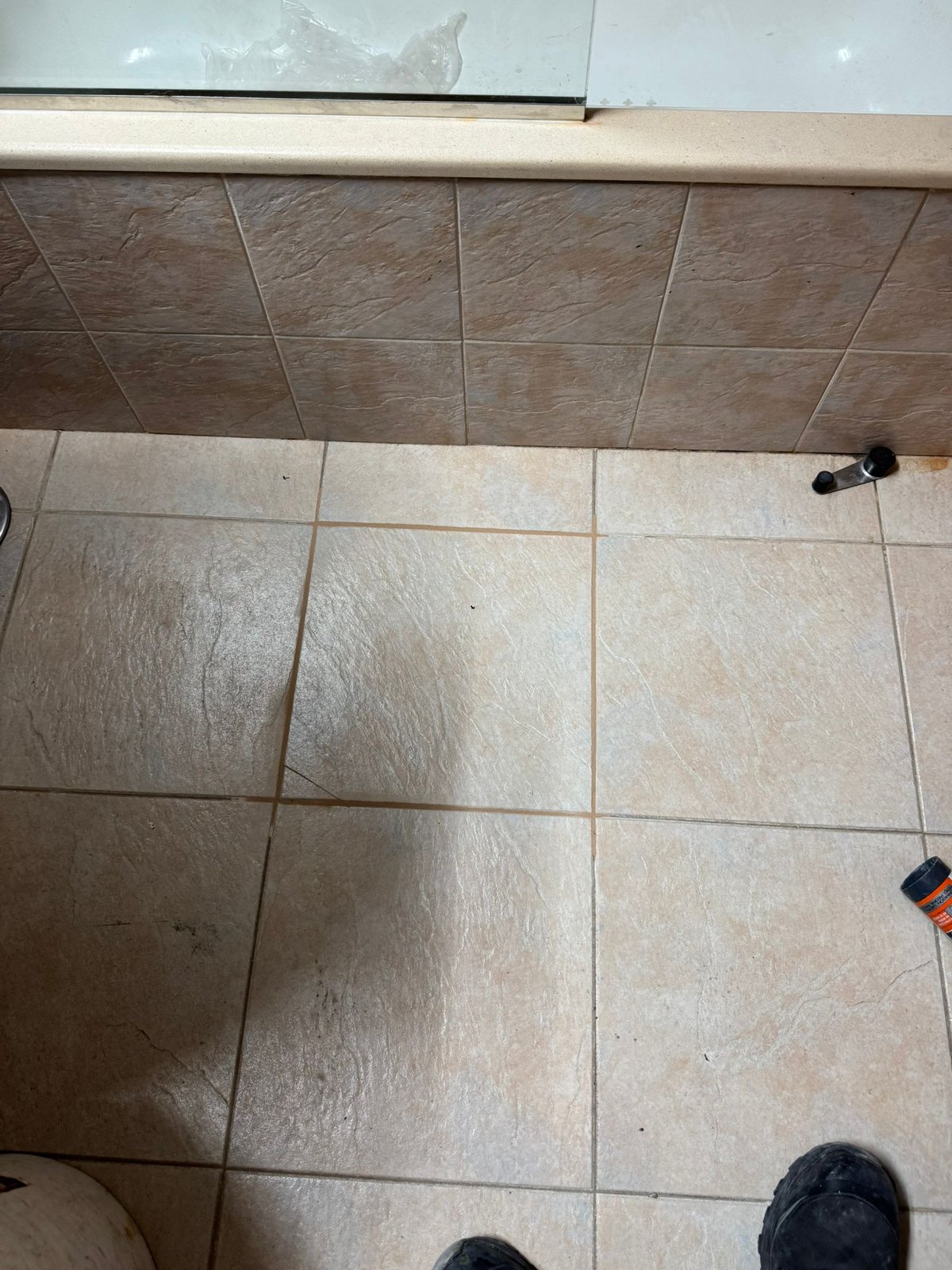
The tile around the tap was removed and replaced in one piece. All done in a day. Almost like we were never there. Bathtub saved. Somebody's holiday saved. Our holiday? That is a different story.
You Get What You Pay For
With our backgrounds and experience, Dave and I pioneered the multi-technology, pipe-location-before-leak-location approach. It is why we coined the phrase "no find, no fee." We are that confident. It is why our accuracy record is what it is.
Others have tried to copy what we do. You cannot copy over 30 years of expertise, a multi-skilled in-house team, and a methodology built from the ground up by people who actually know what they are doing. You can buy the same kit. You cannot buy the experience that tells you which bit of kit to use and when.

Yes, we are a premium service. But the choice is simple: precision from qualified experts, partnered with insurance companies and water boards, or someone busting holes around your house for 199 euros and leaving you with a demolished bathroom and a leak that is still leaking. You get what you pay for. So, what did you do on Good Friday? Because we spent ours saving a bathtub. You are welcome.

Need help with a leak? Contact Canary Detect for a free quote. No Find, No Fee.
Need Professional Help?
Canary Detect offers professional leak detection services across Lanzarote with our No Find, No Fee guarantee.
Get a Free QuoteNeed The Leaky Finders?
Don't let hidden leaks damage your property. Contact Canary Detect - The Leaky Finders - for expert leak detection across Lanzarote with our No Find, No Fee guarantee.
Get a Free Quote